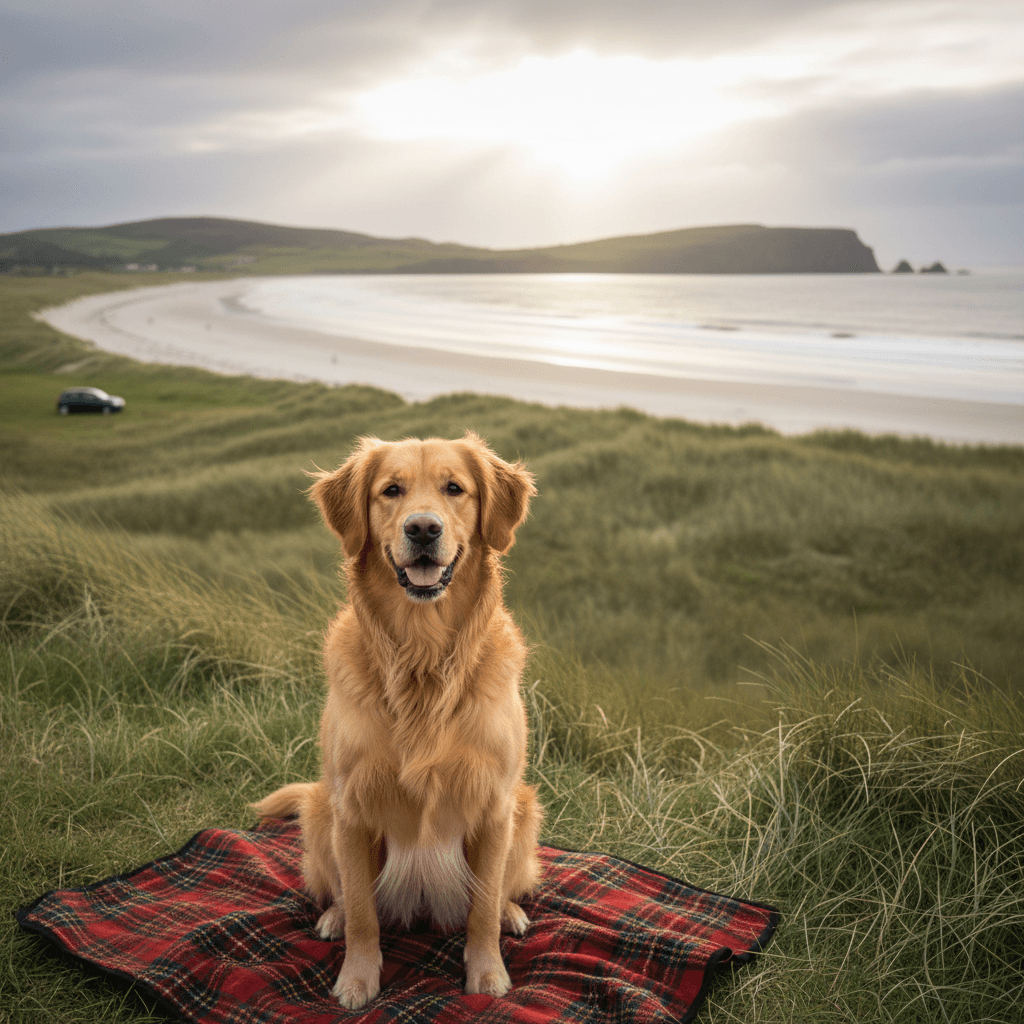
Ireland is increasingly welcoming to four-legged travellers. From dog-friendly beaches to pubs that welcome pooches, here's everything you need for a successful Irish road trip with your dog.
Before You Travel
Entry Requirements
From UK:
- Pet passport OR Animal Health Certificate
- Microchip (required)
- Rabies vaccination (at least 21 days before travel)
From EU:
- EU Pet Passport
- Microchip
- Valid rabies vaccination
From elsewhere:
- Check gov.ie for specific requirements
- May require blood tests and longer preparation
- Plan several months ahead
Documentation Checklist
- Pet passport/health certificate
- Microchip registration details
- Vaccination records
- Recent photo (helps if lost)
- Vet contact at home
- Insurance documents (if applicable)
Finding Dog-Friendly Accommodation
What to Expect
About 25% of Irish accommodations accept pets. Typical policies:
- Additional fee: €10-30 per stay (sometimes per night)
- Size/breed restrictions: Some places limit to small dogs
- Number limits: Often 1-2 dogs maximum
- Areas: May restrict dogs from certain areas (dining rooms, etc.)
Where to Search
Booking sites with pet filters:
- Booking.com (filter for "Pets allowed")
- Airbnb (filter for "Pets allowed")
- BringFido.com (pet travel specialists)
Direct searches:
- "Dog-friendly hotels Ireland"
- "Pet-friendly B&B [region name]"
Recommended Pet-Friendly Stays
Luxury:
- Ashford Castle, Mayo (has "Pet Programme")
- Merrion Hotel, Dublin (pet menu available)
- Ardilaun Hotel, Galway (doggy welcome packs)
Mid-range:
- Many Travelodge locations (70% accept pets)
- Select Premier Inn properties
- Independent B&Bs (often more flexible)
Self-catering:
- Often the best option for dogs
- More space, garden access
- Flexibility with routine
- Search Airbnb, Sykes Cottages, Dream Ireland
Booking Tips
- Call to confirm—online info sometimes outdated
- Ask about restrictions (breeds, sizes, areas)
- Clarify fees upfront
- Request ground floor if possible
- Ask about dog-walking areas nearby
Dog-Friendly Beaches
Rules and Etiquette
Irish beach rules vary by location and season:
- Some beaches: Dogs allowed year-round
- Some beaches: Dogs banned May-September
- Some beaches: Dogs on leads only
- All beaches: Clean up after your dog
Always check local signs on arrival.
Best Dog Beaches
Year-round dog-friendly:
Connemara:
- Dog's Bay - White sand, clear water
- Glassilaun Beach - Remote, stunning
Wicklow:
- Brittas Bay - Long stretch, space to run
- Magheramore - Quiet, scenic
Cork:
- Inchydoney - Two beaches, one dog-friendly
- Barleycove - Spectacular, dogs welcome
Kerry:
- Rossbeigh - Long strand, perfect for running
- Inch Beach - Miles of sand
Donegal:
- Bundoran - Several dog-friendly sections
- Portsalon - Uncrowded, beautiful
Dog-Friendly Walks
Forest Parks
Coillte (state forestry) forests generally welcome dogs on leads:
- Avondale Forest Park, Wicklow
- Gougane Barra, Cork
- Lough Key Forest Park, Roscommon
- Dun A Ri Forest Park, Cavan
National Parks
Dogs allowed in most areas but must be on lead to protect wildlife:
- Killarney National Park (deer present—keep controlled)
- Wicklow Mountains National Park
- Connemara National Park
- Glenveagh National Park
Top Walking Routes
- Numerous trails
- Glendalough Valley walk
- Spinc Loop (moderate, dogs capable)
- Cliffs of Moher Coastal Walk, Doolin to Surfers Path (dogs on lead; the sections beyond that, and the whole southern stretch from Hags Head, are closed)
- Burren walks (rocky terrain—check paws)
- Diamond Hill (moderate, dogs manage well)
- Lakeside walks throughout
Eating Out with Dogs
General Rules
- Outdoor seating: Usually dog-friendly
- Indoor dining: Rarely allowed (health regulations)
- Pubs: Many welcome dogs, especially traditional ones
- Cafés: Varies—ask first
Dog-Friendly Pubs
Many traditional Irish pubs welcome dogs:
- Often have water bowls
- Warm by the fire
- Part of Irish pub culture
Tips:
- Keep dog on lead
- Under control at all times
- Leave if your dog is disruptive
- Don't assume—ask first
Practical Eating Tips
- Research dog-friendly options in advance
- Look for pubs with beer gardens
- Bring your dog's food and water
- Consider takeaway for flexibility
- Never leave dog alone in car (heat risk)
Car Travel Tips
Before the Trip
- Practice: Short trips first if dog isn't used to cars
- Vet check: Ensure vaccinations current, travel medication if needed
- Microchip check: Details up to date
In the Car
Safety:
- Secure with harness, crate, or barrier
- Never in front seat with airbags
- Never loose in car (dangerous for everyone)
Comfort:
- Familiar blanket or bed
- Access to water
- Adequate ventilation
- Shade from sun
Regular breaks:
- Every 2 hours minimum
- Let dog stretch, toilet, drink
- Never leave in car unattended (even briefly)
Essential Packing List
- Lead (spare too)
- Food and water bowls
- Enough food for trip + extra
- Water supply
- Treats
- Poo bags (lots)
- Towel for wet/muddy dog
- First aid kit (dog-specific)
- Familiar bed/blanket
- Vaccination/microchip records
- Any medications
- Favourite toy
Weather Considerations
Rain (Frequent)
- Towel for car and accommodation
- Waterproof dog coat (optional but helpful)
- Plan indoor breaks
Heat (Occasional but Dangerous)
- Never leave dog in car—even 5 minutes can be fatal
- Walk early morning/evening
- Carry water always
- Hot pavement burns paws—test with your hand
- Dogs can get sunburned (especially pink noses)
Cold Weather
- Most dogs are fine, but consider:
- Dog coat for short-haired breeds
- Dry off wet dogs promptly
- Check paws for ice/salt
Emergencies
Finding a Vet
- Note vet locations along your route
- Download Google Maps vet search offline
- Keep emergency vet numbers saved
Emergency vets operate in most major towns. Search "24 hour vet [location]" before you need it.
If Your Dog Gets Lost
- Microchip is your best hope—ensure details current
- Notify local Gardaí
- Contact local vets and shelters
- Post on local Facebook groups
- Dogs Trust and DSPCA can help
Insurance
Consider pet travel insurance covering:
- Emergency vet treatment in Ireland
- Trip cancellation if pet is ill
- Loss or theft
Etiquette and Rules
Legal Requirements
- Dogs must be "under control" in public
- On-lead in some areas (watch for signs)
- Must clean up after your dog (fines apply)
- Livestock areas—keep on lead always
Good Traveller Behaviour
- Not everyone loves dogs—respect that
- Keep your dog clean when entering premises
- Don't let dog on furniture unless permitted
- Always ask before assuming dogs welcome
Leaving Your Dog
Sometimes You'll Need To
Some attractions don't allow dogs. Options:
- One person waits: Take turns
- Hotel sitting: Ask if dog can stay in room
- Dog-sitting services: Ask your accommodation for recommendations
Never Leave in Car
Even with windows cracked, cars heat rapidly. This kills dogs every year. No exceptions.
Best Routes for Dogs
- Excellent forest walks
- Dog-friendly beaches nearby
- Close to Dublin
- Quiet beaches
- Mountain walks
- Rural, uncrowded
- Cliff walks (on lead)
- Burren exploration
- Dog-friendly villages