Louth Monastic & High Cross Trail
Louth • Meath
Louth Monastic & High Cross Trail at a glance
- Distance
- 75 km
- Driving time
- 1.5 hoursAllow 1 day
- Best direction
- Drogheda → Clogherhead
- Best season
- Spring, Summer and Autumn
- Nearest airport
- Dublin~54 km away
- Fuel estimate
- ~€94.9 L at €1.75/L
Fuel estimate assumes 6.5 L/100km and an average Republic of Ireland petrol pump price of €1.75 per litre (AA Ireland, July 2026) — see the Ireland fuel price guide for current rates.
About This Route
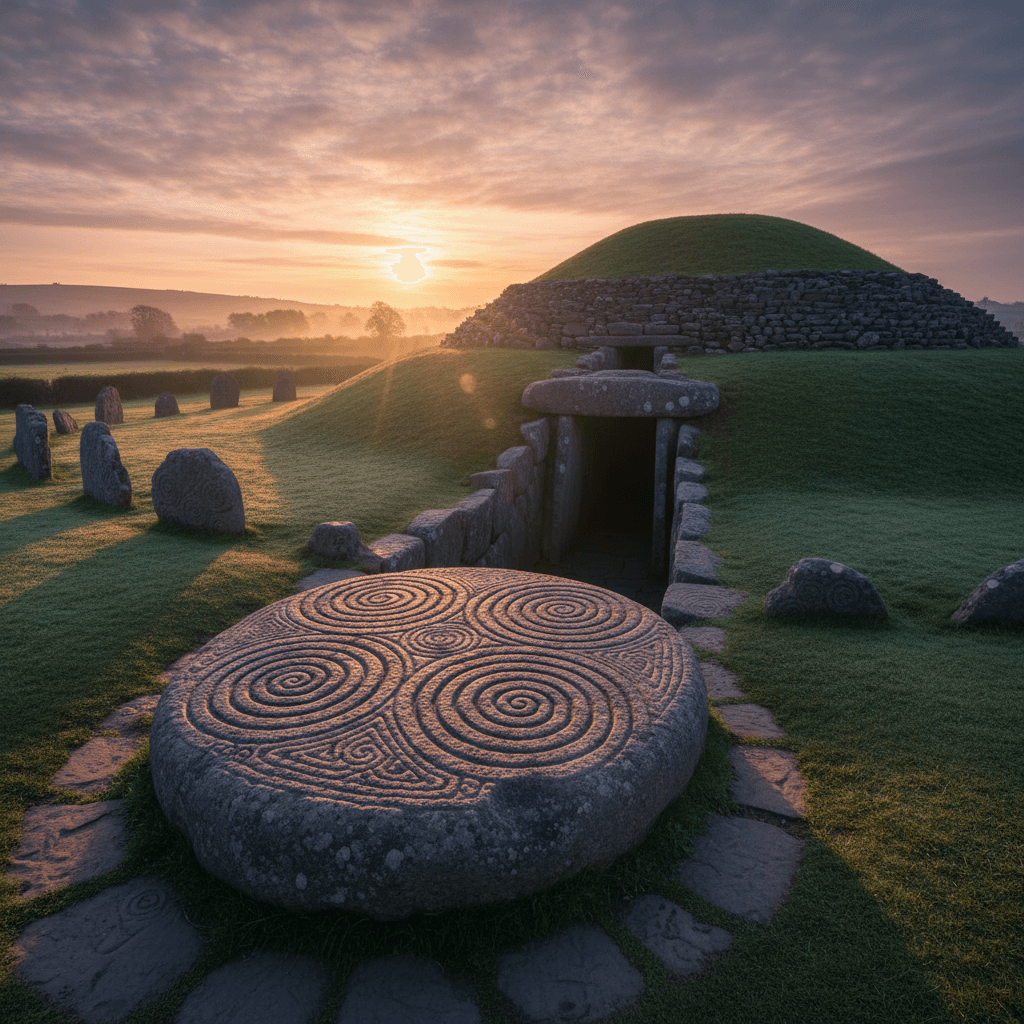
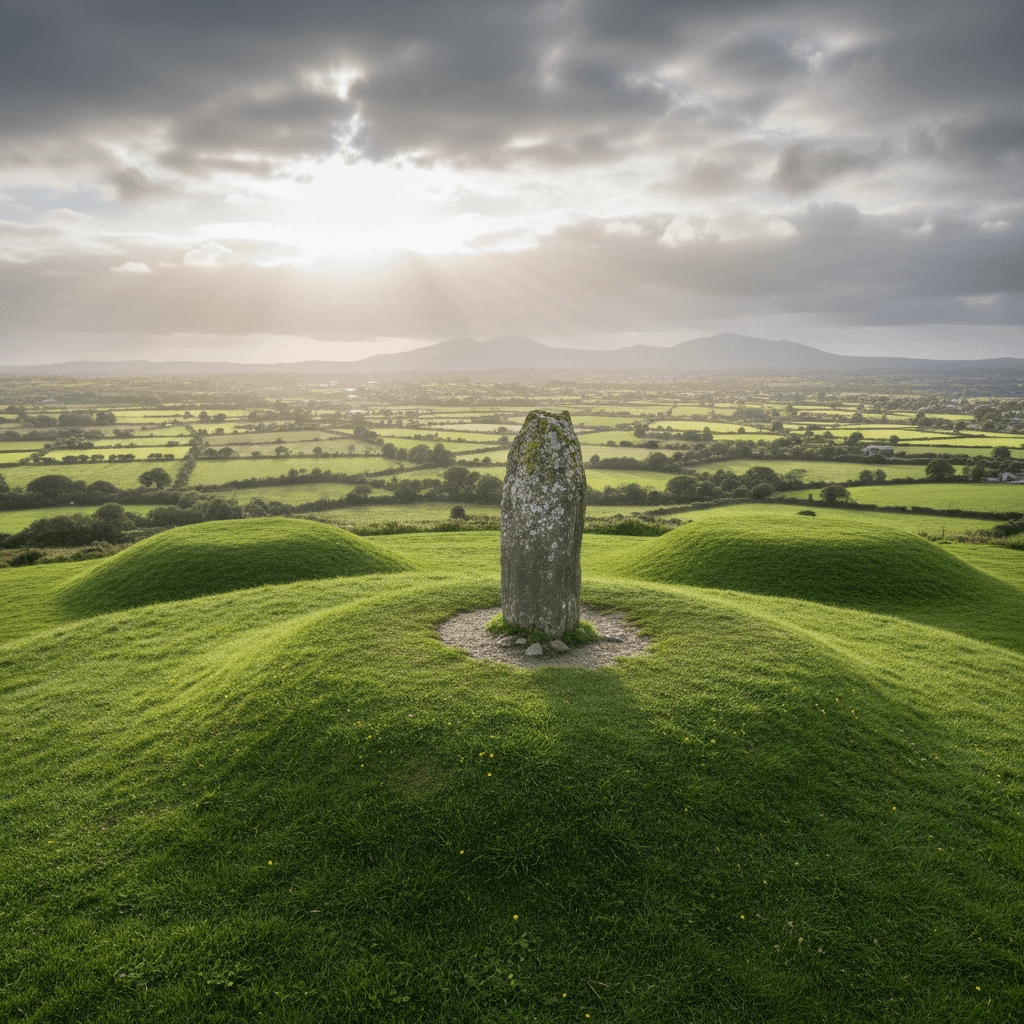
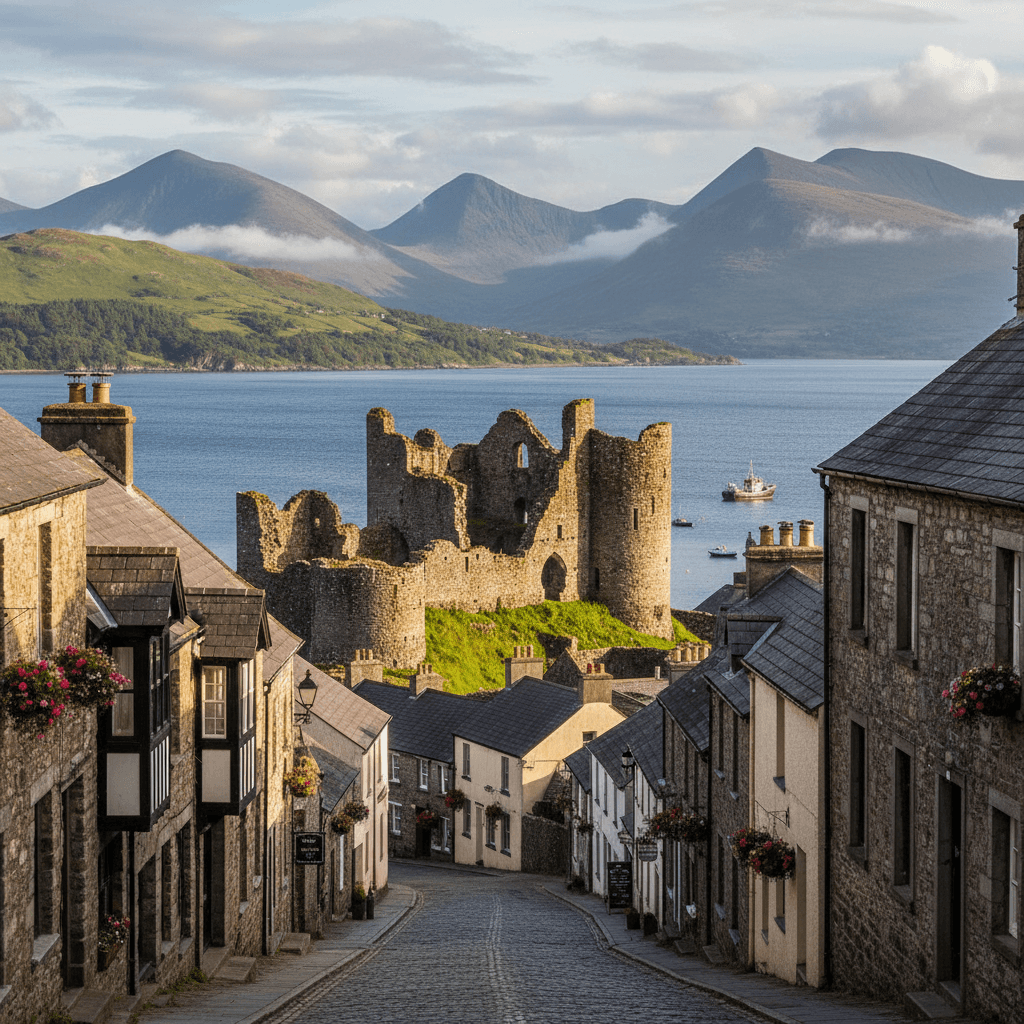
County Louth preserves some of Ireland's finest early Christian monuments - high crosses, round towers, and the ruins of monasteries that once drew scholars from across Europe. This route connects the sacred sites of Ireland's smallest county.
Why This Route?
Louth's monastic heritage is exceptional:
- Monasterboice - Ireland's finest high crosses
- Mellifont - First Cistercian abbey in Ireland
- Drogheda - Historic walled town
- Sacred landscape - Pilgrims walked these roads for centuries
- Compact route - Small county, concentrated sites
Where to Stay
At 75km through Ireland's smallest county, this monastic trail is a straightforward day drive. The route fans north from Drogheda to Monasterboice, Mellifont, and the coast at Clogherhead, making a town near the starting point the most efficient base.
Drogheda
Drogheda anchors the southern end of the route and doubles as a destination in its own right, with St Peter's Church, Millmount, and a lively restaurant scene. Monasterboice and Mellifont Abbey are both less than 15 minutes north, and even the coastal endpoint at Clogherhead is barely 20 minutes away. Staying here also positions you for a Boyne Valley extension.
The Route
Starting from Drogheda
Begin in this historic town on the Boyne:
St Peter's Church
Contains the shrine of St Oliver Plunkett - his preserved head is displayed.
St Laurence Gate
One of Ireland's finest surviving medieval gates.
Millmount
Norman motte with museum in Martello tower.
Monasterboice
The highlight of the route - one of Europe's finest collections of high crosses:
Muiredach's Cross
The finest of all Irish high crosses:
- 5.2m tall
- Intricately carved biblical scenes
- Dated c. 923 AD
- Every panel tells a story
West Cross
One of Ireland's tallest at 6.5m (though less detailed).
Round Tower
33m tall, damaged top. Cannot be climbed.
Setting
Atmospheric graveyard with early Christian grave slabs.
Mellifont Abbey
Ireland's first Cistercian monastery (1142):
- Introduced Continental monasticism to Ireland
- Lavabo (washing house) - finest surviving example
- Chapter house remains
- Peaceful setting on River Mattock
Old Mellifont
The ruins are atmospheric. The visitor centre explains the Cistercian story.
Termonfeckin
Coastal village with:
- Round tower
- High cross (in church)
- Beach access
Clogherhead
Fishing village with excellent beaches and cliff walks.
Ardee
Historic inland town:
- Two castle towers on main street
- Medieval character
- Good lunch stop
Louth Village
Tiny village that gives the county its name. St Mochta's House is an early stone-roofed church.
High Cross Art
Reading the Crosses
High crosses were "sermons in stone" - biblical scenes for an illiterate population. Common subjects:
- Adam and Eve
- Cain and Abel
- David and Goliath
- The Last Judgement
- The Crucifixion
Dating
Most high crosses date from 9th-10th centuries - the golden age of Irish monasticism.
Conservation
The originals are sometimes moved indoors (replicas placed on site). Monasterboice originals remain outside.
Practical Tips
- Monasterboice is free - No facilities, always accessible
- Mellifont has visitor centre - Check opening times
- St Peter's Church - Oliver Plunkett shrine is in the town centre church, not the medieval building
- Drogheda - Park in designated areas; compact town centre
- Combine with Boyne Valley - Natural extension
Spiritual Tourism
These sites were pilgrimage destinations for centuries. For those seeking more than sightseeing:
- Visit early morning for solitude
- Monasterboice maintains a contemplative atmosphere
- Local communities maintain traditions
Before You Drive This Route
The Louth Monastic & High Cross Trail is 75km and about 1.5 hours of driving, though 1 day is the honest figure once you factor in the stops. Visitors who have never driven on the left should start with driving on the left in Ireland; the Irish roundabout rules guide covers the other thing that catches people out. For what a trip like this costs in 2026, from fuel to beds, see the budget guide. Automatic or manual is the decision that catches most visitors out — manual versus automatic has the honest answer for Irish roads. More drives in the same corner of the country are on the County Louth page, and the Boyne Valley UNESCO Trail pairs naturally with this one.
Frequently asked questions
Tap a question to expand the answer.
QHow long does the Louth Monastic & High Cross Trail take to drive?▼
QCan you drive the Louth Monastic & High Cross Trail in one day?▼
QWhich direction is best to drive the Louth Monastic & High Cross Trail?▼
QIs the Louth Monastic & High Cross Trail suitable for nervous drivers or large vehicles?▼
Need a Car? Try GoCar
Flexible car sharing across Ireland. Get €25 off your first trip.
Register with GoCarCompare car rental options →Hiring instead? You're liable for the first €1,500–€3,000 of damage. Read up on car hire excess insurance before you book.
Fuel stops on this route
Towns on the route with filling stations. Rural stations often close early, so top up before a long empty stretch.
- Termonfeckin
More routes you'll love
Hand-picked drives with a similar vibe.