Boyne Valley UNESCO Trail
Meath
Boyne Valley UNESCO Trail at a glance
- Distance
- 145 km
- Driving time
- 3 hoursAllow 1-2 days
- Best direction
- Dublin → Trim Castle
- Best season
- Spring, Summer and Autumn
- Nearest airport
- Dublin~33 km away
- Fuel estimate
- ~€169.4 L at €1.75/L
Fuel estimate assumes 6.5 L/100km and an average Republic of Ireland petrol pump price of €1.75 per litre (AA Ireland, July 2026) — see the Ireland fuel price guide for current rates.
About This Route
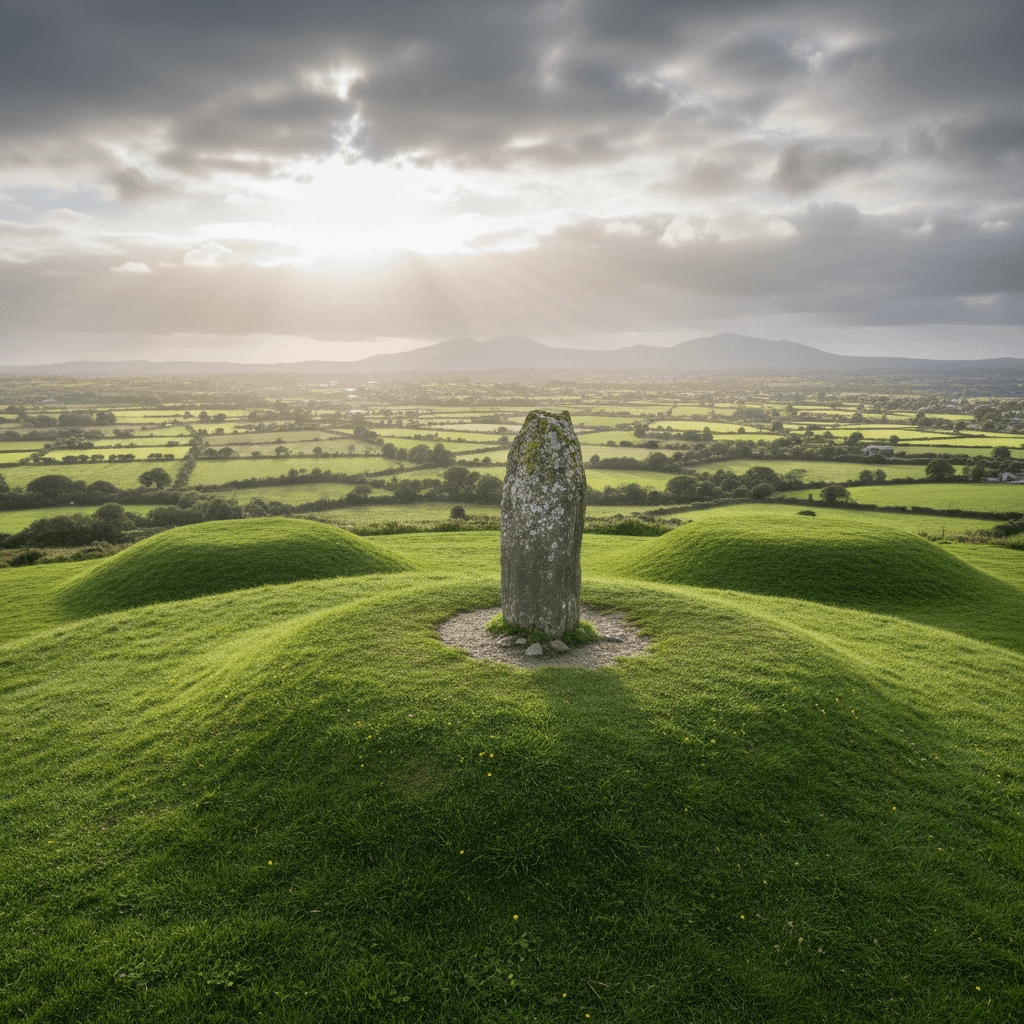
The Boyne Valley is Ireland's most sacred landscape - where prehistoric kings built monuments older than the pyramids, and where Irish history was shaped in battle. This UNESCO World Heritage route connects 5,000 years of history.
Why This Route?
The Boyne Valley is unmatched for historical significance:
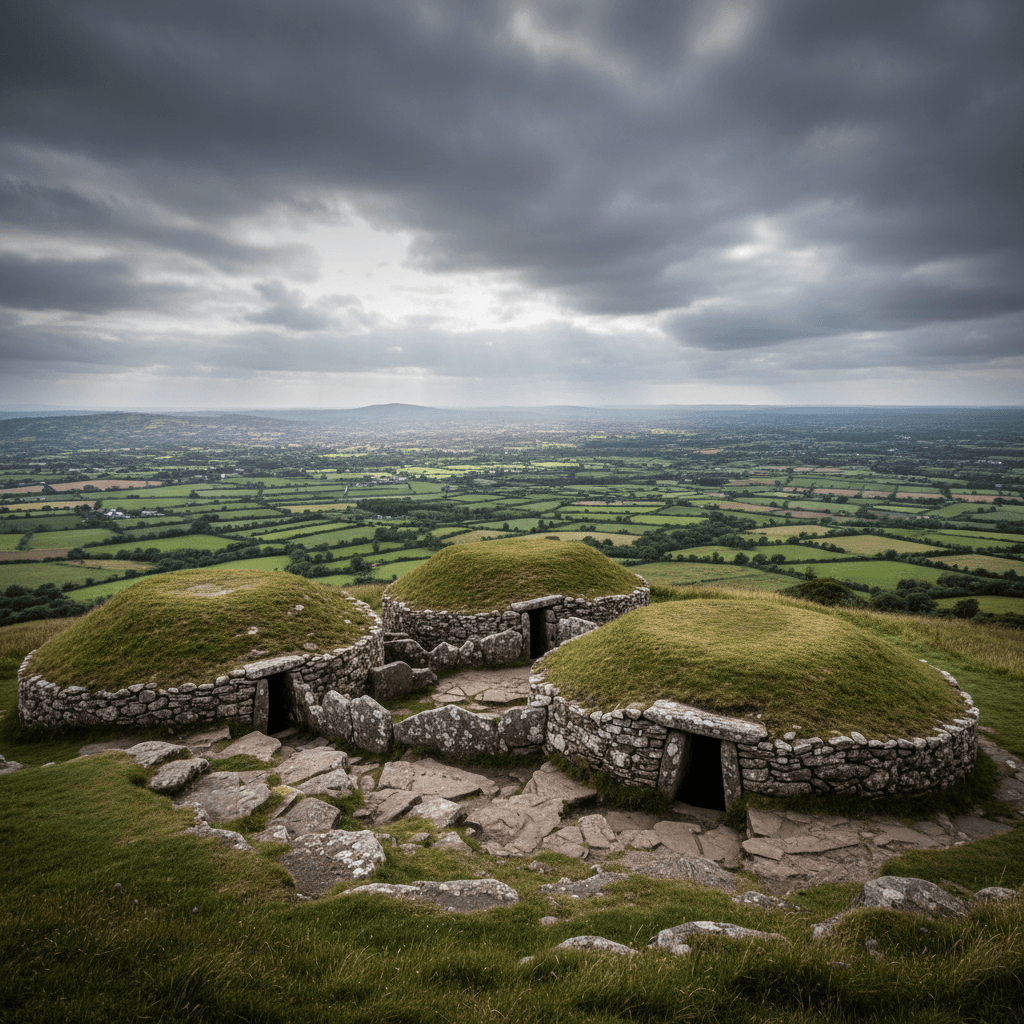
- Brú na Bóinne - UNESCO World Heritage passage tombs
- Newgrange - Older than Stonehenge and the pyramids
- Battle of the Boyne - Site of Ireland's most famous battle
- Tara - Seat of the High Kings
- Monastic heritage - Trim, Kells, Monasterboice
Where to Stay
The Boyne Valley packs five millennia of history into 85 kilometres between Dublin and Trim, and the sheer density of major sites -- Newgrange, the Battle of the Boyne, Monasterboice, Mellifont, and Trim Castle -- rewards an overnight stay rather than a rushed day trip. Drogheda is the largest town on the route and sits centrally between the key attractions.
Drogheda
This historic walled town on the Boyne puts you within fifteen minutes of Bru na Boinne, Monasterboice, and the Battle of the Boyne site, so you can take the first morning shuttle to Newgrange without fighting Dublin commuter traffic. Mellifont Abbey and Slane are equally close. After a full day of monuments, Drogheda's own heritage -- St Lawrence Gate, the Millmount, and a strong restaurant scene -- gives you plenty to explore on foot before bed.
Brú na Bóinne - The Main Attraction
The "Palace of the Boyne" is a UNESCO World Heritage Site containing:
Newgrange
A 5,200-year-old passage tomb, older than Stonehenge and the Egyptian pyramids. The engineering is astounding - at winter solstice sunrise, light penetrates the roof box and illuminates the inner chamber.
Knowth
The largest of the passage tombs with over 250 decorated stones - one third of all megalithic art in Western Europe.
Dowth
The third great tomb, less excavated but atmospheric.
Important: Access to Newgrange and Knowth is ONLY via the Brú na Bóinne Visitor Centre. Book in advance at peakperiods.
The Route
Starting from Dublin
Take the M1 north, then turn west on the N51 toward Slane.
Brú na Bóinne Visitor Centre
Begin here - you'll need 3-4 hours for the full experience:
- Excellent exhibition explaining the neolithic world
- Shuttle bus to Newgrange (45-minute tour)
- Shuttle bus to Knowth (45-minute tour)
- Both tombs require separate time slots
Slane
A heritage village built around a crossroads, with:
- Slane Castle - Famous for rock concerts (U2, Rolling Stones)
- Slane Hill - Where St Patrick lit the paschal fire, challenging the High King
- The Four Houses - Georgian buildings at each corner
Battle of the Boyne Site
The battlefield where William of Orange defeated James II in 1690 - a turning point in Irish and European history. The visitor centre is excellent, and walks trace the battle's key moments.
Drogheda
A historic walled town with:
- St Lawrence Gate - One of Ireland's finest medieval gates
- Highlanes Gallery - Regional art museum
- St Peter's Church - Contains the head of Oliver Plunkett
- Millmount - Norman motte with museum
Monasterboice
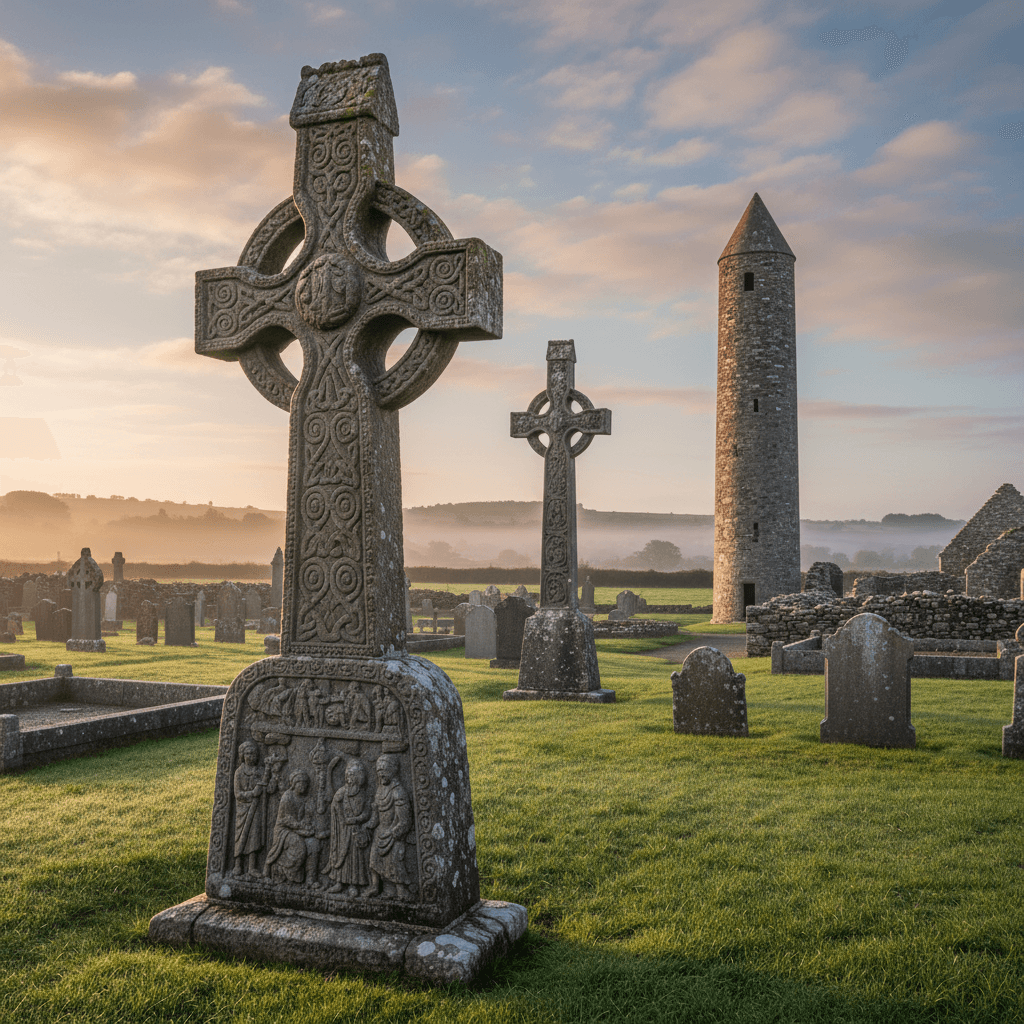
A ruined monastery with two of Ireland's finest high crosses:
- Muiredach's Cross - Intricately carved with biblical scenes
- West Cross - One of Ireland's tallest at 6.5m
- Round tower (damaged but impressive)
Mellifont Abbey
Ireland's first Cistercian monastery (1142). The lavabo (octagonal washing house) is particularly fine.
Trim
Save time for Ireland's largest Anglo-Norman castle:
- Trim Castle - Featured in Braveheart
- Talbot Castle - 15th-century tower house
- Yellow Steeple - Ruined abbey bell tower
- Town heritage - Medieval street layout survives
Walking Options
Battle of the Boyne Walks
- Multiple trails across the battlefield
- 2-4km options
- Interpretation panels
- River views
Brú na Bóinne Riverside Walk
- 3km trail along the Boyne
- Views of all three tombs
- Wildlife
Practical Tips
- BOOK NEWGRANGE IN ADVANCE - Especially May-September
- Allow full day for Brú na Bóinne - Don't rush this
- Monasterboice is free - No facilities but always accessible
- Trim Castle - Tours book up; arrive early
- Battle of the Boyne - Excellent for families
Winter Solstice
The winter solstice phenomenon at Newgrange (December 21) is world-famous. A lottery determines who enters the chamber - entries open in September.
Best Sequence
For efficiency:
- Brú na Bóinne (morning) - Book first tour
- Battle of the Boyne (lunch)
- Monasterboice (afternoon)
- Trim (late afternoon)
Or spread over two days for deeper exploration.
Before You Drive This Route
Plan on 1-2 days for the Boyne Valley UNESCO Trail: the 145km takes roughly 3 hours at the wheel, and the rest is why you came. If this is your first drive in Ireland, read driving on the left in Ireland before you collect the car — the first roundabout is not the moment to work it out. For what a trip like this costs in 2026, from fuel to beds, see the budget guide. If you have not booked a car yet, our guide to renting a car in Ireland covers what to choose and what the desk will ask for, and car hire excess insurance explains the excess you will be asked to cover. More drives in the same corner of the country are on the County Meath page, and the Loughcrew & Hidden Meath pairs naturally with this one.
Frequently asked questions
Tap a question to expand the answer.
QHow long does the Boyne Valley UNESCO Trail take to drive?▼
QCan you drive the Boyne Valley UNESCO Trail in one day?▼
QWhich direction is best to drive the Boyne Valley UNESCO Trail?▼
QIs the Boyne Valley UNESCO Trail suitable for nervous drivers or large vehicles?▼
Need a Car? Try GoCar
Flexible car sharing across Ireland. Get €25 off your first trip.
Register with GoCarCompare car rental options →Hiring instead? You're liable for the first €1,500–€3,000 of damage. Read up on car hire excess insurance before you book.
Fuel stops on this route
Towns on the route with filling stations. Rural stations often close early, so top up before a long empty stretch.
- Dublin
- Drogheda
More routes you'll love
Hand-picked drives with a similar vibe.